The short version
A load board is a marketplace where brokers and shippers post freight that needs a truck and carriers search for loads that fit their equipment and lanes. A posting gives the lane, the dates, the equipment, the weight and either a rate or a request to call. The board is where the two sides find each other; the deal itself is agreed between them and written down on a rate confirmation. It is a fast way to find spot freight, and it is only as good as the postings on it and the checks you run before you haul.
Every load board, whatever it charges and whoever runs it, does the same basic job: it puts freight that needs a truck in front of trucks that need freight. What differs is who can post, what a posting has to include, and what happens after a carrier sees one.
What is a load board?
A load board is an online marketplace for spot freight. Brokers and shippers post loads with a lane, dates, equipment and a rate or a request to call; carriers and dispatchers search those postings by equipment, origin, destination and date. The board connects the two sides. The agreement to haul is made between them, not by the board.
Three parties show up on almost every posting. The shipper owns the freight. The broker arranges transportation for it without hauling it, which under federal rules takes its own broker authority and a $75,000 bond or trust fund. The carrier moves it. Plenty of loads have no broker at all, because some shippers post their own freight, and on any load the name on the posting is the party you will be dealing with.
How do brokers and shippers post a load?
The poster fills in the facts a carrier needs to decide in one read: pickup and delivery cities, dates, equipment type, weight, length, full or partial, and a rate or "call for rate". The better postings add the commodity, appointment times and any requirements such as tarps, a TWIC card or hazmat.
| Field | What it tells you |
|---|---|
| Origin and destination | The lane, and whether it leaves you somewhere with outbound freight |
| Pickup and delivery dates | Whether you can make it, and how long the truck is committed |
| Equipment | Van, reefer, flatbed, hotshot and so on; several tags mean any of them will do |
| Weight and length | Whether it is legal and practical in your truck |
| Full or partial | Whether you can add a second load to the same trip |
| Rate | A posted figure, or "call" when the poster wants to negotiate |
| Poster and contact | Who you are dealing with, and their MC number to check |
For the broker side of the same job, the checklist that gets a load covered quickly is in how to post a load that gets covered.
How do carriers find loads on a board?
By searching the way they run: their equipment, the area they will be empty in, how far they will deadhead to a pickup, the date they are free and, often, the direction they want to end up. The same search saved as an alert does the looking for them.
- Filter by equipment first. A cargo van search and a flatbed search are two different boards. Loads tagged for several equipment types will show up in each.
- Set the origin and a deadhead radius. Where you will be empty, and how far you will drive to a pickup. Widen the radius before you widen the dates.
- Add a destination, or leave it open. Open when you only need to get loaded; a state or region when you need to head home.
- Check the date against when you are really free. A load you cannot make on time is a load you should not call about.
- Save it. Good loads are often covered within hours of posting. Being told when one appears beats refreshing.
Each truck type has its own freight, rates and quirks. The board for yours starts from loads by truck type, and the three biggest trailer markets are compared side by side in flatbed vs dry van vs reefer.
Is the rate on a load board the rate you get paid?
A posted rate is the poster's opening number, not a contract. What you get paid is whatever you agree and the rate confirmation says. Many postings carry no rate at all and ask you to call, which usually means the figure is open to negotiation.
Treat any number on a posting as information, and judge it against your own costs rather than against other postings. The test is the rate per mile across every mile the load costs you, loaded and empty, compared with your break-even. A load that looks strong on loaded miles can be weak once the deadhead to the pickup and the drive out of a thin market are counted.
The rate per mile calculator does that sum with your numbers, and freight rates per mile explains how to set a floor. Where the poster gives no figure, a posting on One Load Board reads "Call for rate".
How do you book a load from a load board?
You contact the poster, agree the rate and the details, and get it in writing on a rate confirmation before you dispatch. Most boards connect you by phone or email; some also let you send an offer through the board that the poster can accept.
- Check the poster before you call: their MC number, how long the authority has been active, and whether the contact details match the company.
- Call or send an offer, and confirm the facts the posting may have left out: appointment times, exact weight, detention terms and any special requirements.
- Agree the rate. If it is a "call" load, know your floor before you pick up the phone.
- Send your carrier packet if you are new to that broker: authority, insurance certificate and W-9, usually.
- Read the rate confirmation before you sign. The rate, the stops, the dates and the payment terms on it are what you will be paid against, whatever was said on the phone.
What to look for in that document, line by line, is in how to read a rate confirmation. On One Load Board a carrier can call the poster or send an offer from the load itself: on freight posted directly on the board the broker answers it in their account, and on freight from partner networks it reaches the broker by email.
Terms you will see on almost every board
- Truckload (TL or FTL). One shipment that takes the whole trailer.
- LTL and partial. Less-than-truckload is freight a carrier consolidates with other shippers' freight; a partial is one shipment that uses part of the trailer, often paired with another.
- Deadhead. Miles driven empty, to a pickup or after a delivery.
- RPM. Rate per mile: the pay divided by the miles.
- Spot freight. Loads priced one at a time, as opposed to contract freight moving at an agreed rate over months.
- Rate con. The rate confirmation, the written terms for one load.
- Backhaul. The load that brings you back after a delivery.
- Quick pay. Faster payment from a broker, usually for a fee.
What are the limits of a load board?
A board shows spot freight that someone chose to post, at the moment they posted it. Postings go stale once they are covered, rates on thin lanes can be low, and a board cannot vouch for every poster. Much freight moves on contract and is never posted at all.
- Covered loads linger. A posting can stay up after it has been booked. Call early, and do not plan a day around one load you have not confirmed.
- Fraud exists. Impersonated brokers and double-brokered loads reach every board. The checks are in how to spot a double-brokered load.
- The board is not the whole market. Direct shipper freight and dedicated lanes rarely appear on a public board. Carriers who grow usually combine the board with repeat brokers and direct customers.
- Your lanes matter more than the board. A market that ships little outbound will look thin on every board, because the freight is not there to post. Finding a backhaul covers how to plan around that.
Where One Load Board fits
One Load Board is a US load board for carriers, brokers and shippers across every equipment type, from cargo vans and sprinters to flatbeds and reefers. A free account shows a carrier the board for every truck type and includes three offers. Pro adds unlimited offers, rates on every load and load alerts on your lanes; Fleet makes those alerts instant and covers up to five trucks. Brokers and shippers post for free, and nothing is taken as a commission on the freight. It works the way this page describes, and the same checks apply to every load on it.
The bottom lineA load board finds the freight. The rate con, the checks on the poster and your own numbers decide whether it is worth hauling.
Frequently asked questions
What is a load board in trucking?
A load board is an online marketplace where brokers and shippers post freight that needs a truck and carriers search for loads that fit their equipment, location and dates. It connects the two sides; the rate and terms are agreed between them and written on a rate confirmation.
Who posts loads on a load board?
Mostly freight brokers, who arrange transportation for shippers, and some shippers who post their own freight. The poster and their MC number should be shown on the load, and that is who you will be dealing with.
Is the rate on a load board negotiable?
Usually, yes. A posted rate is the poster's opening figure and many loads carry no rate at all and ask you to call. What you are paid is what you agree and what the rate confirmation says.
How do you book a load from a load board?
Check the poster, call or send an offer, agree the rate and details, send your carrier packet if you are new to them, and sign the rate confirmation before you dispatch. The rate confirmation is what you are paid against.
Do you need your own authority to use a load board?
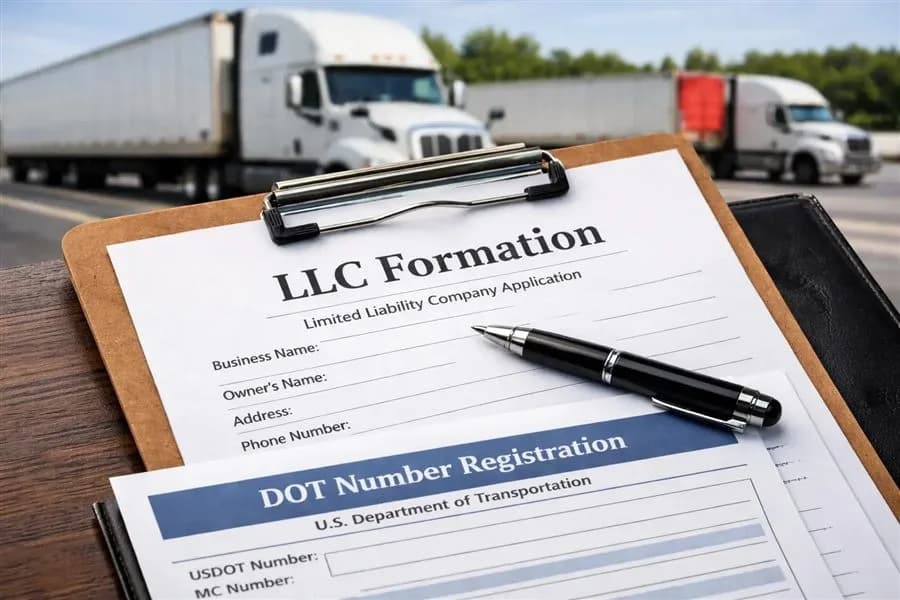
To haul for-hire interstate freight booked through a broker, you need a USDOT number and operating authority (an MC number), and brokers will ask for proof of it and of insurance before they tender a load. You can usually browse a board before you have it.
Why are some loads already gone when I call?
Good loads are often covered within hours, and a posting can stay up after it is booked. Calling early and saving your search as an alert are the two habits that help most.
Sources
Every figure in this article is linked in place. The full list, for anyone who wants to check the working.
- eCFR, 49 CFR 371.2. The federal definitions of a broker and of brokerage service.
- eCFR, 49 CFR 387.307. The $75,000 financial security a property broker must file.