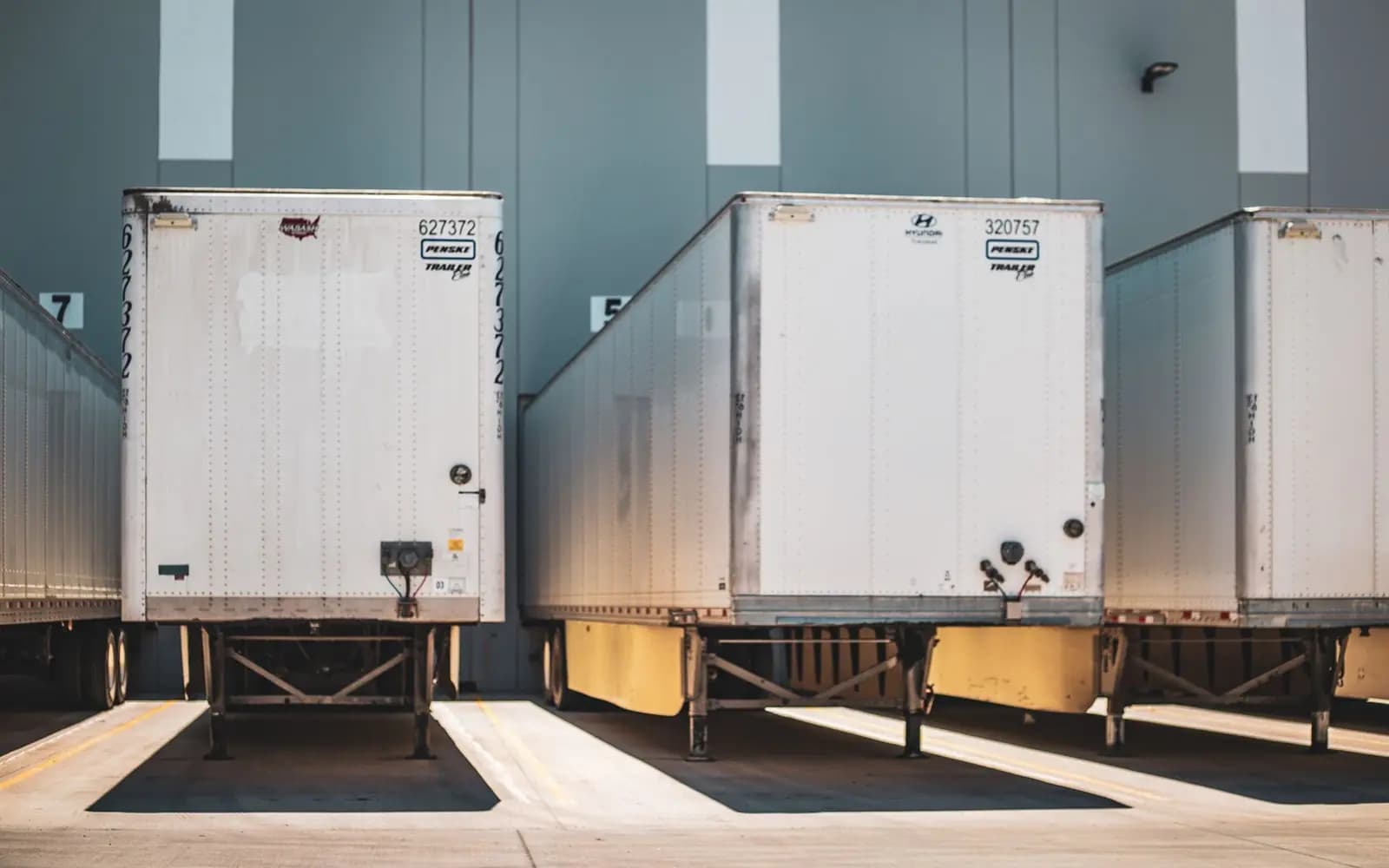
Detention, layover, TONU, liftgate and driver assist: what triggers each charge, why it exists, and which of them your dock can stop paying.
By One Load Board5 min read989 words
The short version
Accessorial charges cover everything the linehaul rate does not: waiting at your dock, a second stop, a liftgate, a driver helping unload, or a load cancelled after the truck was dispatched. Most are triggered by time, and most are avoidable by loading faster and giving better information up front.
The quote was one number and the invoice is a larger one. Nothing went wrong, and the difference is entirely legitimate.
That gap is accessorial charges, and it is the part of freight pricing nobody explains before the first invoice arrives. They are not padding. They pay for time and gear the linehaul rate assumed would not be needed.
What are accessorial charges?
Charges for services beyond moving the freight from A to B. The linehaul rate buys the driving. Anything else — waiting, extra stops, special gear, or a driver doing physical work — is charged separately because it costs the carrier time or equipment the rate did not price in.
The logic underneath all of them is the same. A driver is limited by law in how many hours they may work, so an hour spent waiting at your dock is an hour not spent driving and not earning. The charge exists to make that hour worth something.
Which charges come up most often?
Charge
What triggers it
How it is usually billed
Detention
Loading or unloading takes longer than the free time
Per hour, after a free window
Layover
The truck is held overnight
Flat, per day
TONU
The load is cancelled after dispatch
Flat fee
Liftgate
No dock, so the trailer needs a powered lift
Flat, per stop
Driver assist
The driver helps load or unload
Flat or hourly
Extra stop
More than one pickup or delivery
Flat, per stop
Reconsignment
The destination changes after dispatch
Flat, plus extra mileage
Redelivery
Delivery is attempted and refused or missed
Flat, per attempt
Rates for each vary by carrier and by contract, which is why a figure quoted on a web page is worth less than the schedule in your own rate confirmation. Ask for it before you book rather than after.
What is detention, and when does it start?
Detention is the charge for a driver waiting at your facility beyond an agreed free period, commonly two hours, billing by the hour after that. It is the most common accessorial charge and the one most within your control, because it is caused by how your dock runs rather than by anything about the freight.
The free window exists because loading always takes some time. What it does not cover is a truck sitting because the dock is full, the paperwork is not ready, or the shift that was going to unload it has gone home.
Detention is also where disputes concentrate, because it depends on arrival and departure times that both sides record separately. If your facility does not log arrival times, you have no way to challenge a figure you think is wrong.
The carrier side of the same subject is covered in detention, layover and TONU pay, which is useful reading if you want to understand what the driver is experiencing while the clock runs.
What is TONU?
Truck Ordered Not Used. A flat fee charged when a carrier is dispatched to a load that is then cancelled, or is not there when they arrive. The driver has already burned fuel and hours getting to you, and TONU covers some of that.
It usually appears for one of three reasons: the load was cancelled after dispatch, the freight was not ready and the carrier could not wait, or the shipment was given to somebody else and nobody told the first carrier.
The third is worth avoiding for reasons beyond the fee. A carrier who drives to a cancelled load tends not to bid on your freight again, and on a lane with few carriers that is expensive long after the invoice is paid.
How do you stop paying these?
Have the freight ready before the truck arrives. Most detention is caused by freight that was not ready, not by slow loading.
Tell the carrier how it loads. Dock, forklift or driver assist, stated when you post the load rather than discovered on arrival.
Say up front if there is no dock. A liftgate requirement found at the kerb is a wasted trip, and you will pay for it either way.
Log arrival and departure times. You cannot dispute a detention charge without your own record of when the truck turned up.
Give a real appointment window. Arrivals spread across a window queue less than everyone arriving at eight.
Cancel early if you must cancel. Before dispatch costs nothing. After dispatch is a TONU.
What if a charge looks wrong?
Ask for the evidence, then check it against your own. Detention is billed from arrival and departure times, so the dispute is a factual one about when the truck was there. Carriers increasingly have electronic records of both, which makes this easier to resolve and harder to argue without records of your own.
Two things decide how these conversations go: whether the charge was in the rate confirmation you agreed, and whether you can show what happened at your dock. A charge that appears on an invoice and nowhere in the agreement is worth questioning. One that matches an agreed schedule and a timestamped record is usually owed.
Seeing the rate before you book
This is our own board, so read this with that in mind. Carriers bid directly here with the rate visible, which settles the linehaul before anything else is agreed — and the accessorial schedule is still a question to ask the carrier you pick, because no board sets it for them. For the arithmetic on your own lane, the rate per mile calculator works from figures you supply, with nothing to sign up for.
The bottom lineAccessorials pay for time and gear the linehaul rate did not price in, and most of them are bought at your own dock. Get the schedule in writing before you book, log when the truck arrived, and fix the dock before you argue the invoice.
Frequently asked questions
What are accessorial charges in freight?
Charges for services beyond moving the freight between two points. The linehaul rate pays for the driving; accessorials cover waiting time, extra stops, special gear such as a liftgate, driver assistance with loading, and changes made after dispatch.
What is detention in shipping?
A charge for a driver waiting at a facility beyond an agreed free period, commonly two hours, billed hourly after that. It is the most common accessorial charge and usually reflects how a dock runs rather than anything about the freight itself.
What does TONU mean?
Truck Ordered Not Used. A flat fee charged when a carrier is dispatched to a load that is then cancelled, or arrives to find no freight. It compensates the carrier for fuel and driving hours already spent reaching the pickup.
How do I avoid detention charges?
Have the freight ready before the truck arrives, give a realistic appointment window rather than a single time, state how the load will be handled when you post it, and log arrival and departure times so you can check any charge against your own record.
Can I dispute an accessorial charge?
Yes, if you have grounds and records. Check whether the charge was in the rate confirmation you agreed, then compare the billed times against your own gate records. A charge that matches an agreed schedule and a timestamped record is usually owed.
Sources
Every figure in this article is linked in place. The full list, for anyone who wants to check the working.
eCFR, 49 CFR 395. The hours-of-service limits that make a driver’s waiting time a cost rather than an inconvenience.